
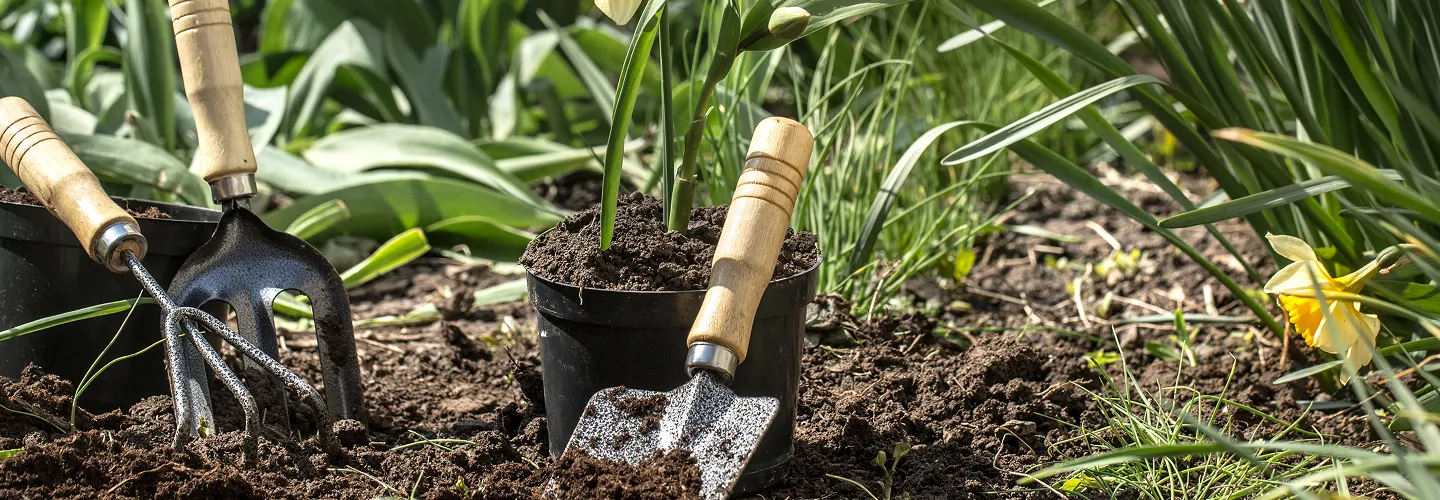
Taylor Lawn Seeding Services
Choose our expert lawn seeding services for lush, resilient grass that thrives season after season—backed by proven techniques and personalized care for your yard.
Get a Free QuoteOur Taylor Landscaping & Yard Care Services
When to Schedule Lawn Seeding in Taylor, Texas – Seasonal Guide
In Taylor, Texas, timing your lawn seeding is crucial for achieving a lush, healthy yard that thrives in our unique climate. The best periods for seeding are typically early fall and late spring, when soil temperatures are optimal and rainfall is more predictable. Taylor’s climate features hot summers, mild winters, and occasional droughts, so planning around these patterns is essential. Neighborhoods near Murphy Park or along Main Street may experience different microclimates due to shade from mature trees or proximity to the San Gabriel River, which can affect soil moisture and temperature.
Local environmental factors such as the average last frost date in early March, periods of high humidity, and the region’s clay-heavy soils all play a role in determining the best seeding window. Homeowners should also consider municipal watering restrictions and the risk of late-summer heatwaves. For more information on local environmental guidelines, visit the official city resource.
Local Factors to Consider for Lawn Seeding in Taylor
- Tree density and shade coverage, especially in established neighborhoods like Northpark
- Soil type and drainage, with many areas featuring compacted clay
- Seasonal precipitation patterns and drought risk
- Terrain variations, such as sloped yards near Doak Street
- Municipal watering restrictions and local ordinances
Benefits of Lawn Seeding in Taylor
Thicker, Healthier Lawns
Improved Curb Appeal
Enhanced Weed Resistance
Customized Seed Selection
Professional Expertise
Cost-Effective Lawn Solutions

Taylor Lawn Seeding Types

Cool-Season Grass Seeding
Ideal for regions with cold winters and moderate summers.
-
Warm-Season Grass Seeding
Best suited for hot climates and areas with mild winters.
-
Overseeding Existing Lawns
Enhances lawn density and improves overall turf health.
-
Erosion Control Seeding
Prevents soil loss and stabilizes slopes or bare areas.
-
Shade-Tolerant Grass Seeding
Perfect for lawns with limited sunlight exposure.
-
Drought-Resistant Grass Seeding
Reduces water usage while maintaining a lush appearance.
Our Lawn Seeding Process
Site Evaluation
Soil Preparation
Seed Selection
Seeding Application
Watering and Maintenance
Why Choose Taylor Landscape Services
-
Taylor Homeowners Trust Us
-
Expert Lawn Maintenance
-
Reliable Scheduling
-
Competitive Pricing
-
Professional Team
-
Satisfaction Guarantee
-
Personalized Service
Taylor’s Blackland Prairie Soils: Site Preparation and Seeding Depth Requirements
Lawn seeding in Taylor must account for the city’s predominant Houston Black clay soils, as identified by the USDA Web Soil Survey. These Vertisols are characterized by high clay content, pH levels typically ranging from 7.5 to 8.2, and poor drainage, especially after heavy rainfall. For optimal turf establishment, core aeration to a depth of 2-3 inches is recommended prior to seeding, with compost incorporation at 2-3 inches tilled to a 6-inch depth. Soil testing through Texas A&M AgriLife Extension (cost: $15-25) is advised to determine lime or sulfur amendments. Seeding rates for Kentucky bluegrass (Poa pratensis) and perennial ryegrass (Lolium perenne) should be adjusted for heavy clay, with light raking to ensure seed-to-soil contact. Buffer zones of 25 feet must be maintained from wetlands and drainage ditches to comply with municipal and state environmental regulations.
City of Taylor Public Works
400 Porter Street, Taylor, TX 76574
Phone: (512) 352-5818
Official Website: City of Taylor Public Works
Seasonal Timing and Weather Considerations for Lawn Seeding in Taylor
Taylor is located in USDA Hardiness Zone 8b, with average last frost dates in early March and first frost in late November. The optimal windows for lawn seeding are:
- Spring: April 15 – May 30 (soil temperature 50–65°F)
- Fall: August 20 – September 30 (cooler nights, reduced weed pressure) Avoid seeding during June–August due to high temperatures and drought risk. Monitor local forecasts through the National Weather Service Austin/San Antonio Office for rainfall and temperature trends. Irrigation should be scheduled before 10:00 AM or after 6:00 PM to minimize evaporation, following city water use guidelines. For large-scale projects, coordinate with Taylor’s Department of Public Works for any temporary water use permits or restrictions during drought declarations.
Taylor Water and Wastewater Utility System
400 Porter Street, Taylor, TX 76574
Phone: (512) 352-3251
Official Website: Taylor Water and Wastewater Utility System
Municipal Lawn Seeding Ordinances and Equipment Operation Standards in Taylor
Lawn seeding activities in Taylor are subject to city ordinances governing noise, equipment operation, and property maintenance. Equipment operation hours are:
- Monday–Friday: 7:00 AM – 7:00 PM
- Saturday: 8:00 AM – 6:00 PM
- Sunday and holidays: Prohibited All powered equipment must be fitted with functional mufflers, and noise levels should not exceed 85 decibels at property lines. For seeding projects exceeding 5,000 sq ft, a site plan may be required for review by the Planning and Zoning Commission, with a typical review period of 10 business days. Erosion control measures, such as silt fencing, are mandatory on slopes exceeding 5%. Compliance with these standards is enforced by Taylor Code Enforcement.
Taylor Code Enforcement
400 Porter Street, Taylor, TX 76574
Phone: (512) 352-3675
Official Website: Taylor Code Enforcement
Environmental Compliance: Stormwater, Buffer Zones, and State Regulations in Taylor
Lawn seeding in Taylor must comply with the Texas Water Code and the city’s MS4 stormwater permit, which prohibits the discharge of grass clippings, seed, or fertilizer into storm drains. Maintain a 25-foot no-disturbance buffer from wetlands and a 50-foot setback from all open water bodies. Fertilizer application is restricted within these zones to protect local waterways, including Mustang Creek and Murphy Park Lake. The Texas Commission on Environmental Quality oversees state-level compliance, while the Clean Water Act governs federal requirements. For technical guidance, consult EPA Region 6.
Texas Commission on Environmental Quality
12100 Park 35 Circle, Austin, TX 78753
Phone: (512) 239-1000
Official Website: Texas Commission on Environmental Quality
What Neighborhoods Do We Serve Throughout Taylor, TX?
- Northpark: Features expansive lots with Houston Black clay soils and moderate drainage; seeding projects here often require additional soil amendment and erosion control due to gentle slopes.
- Downtown Taylor: Historic district with compacted urban soils and mature tree canopy; shade-tolerant grass species and careful scheduling around city events are essential.
- Mallard Park: Newer development with mixed clay-loam soils and efficient stormwater infrastructure; properties may have HOA guidelines for turf appearance and maintenance.
- Doak Addition: Older residential area with variable lot sizes, occasional flooding, and proximity to Mustang Creek; buffer zone compliance and drainage management are critical.
- Lake Drive Area: Adjacent to Murphy Park Lake, requiring strict adherence to 50-foot fertilizer setbacks and stormwater best practices to protect water quality.
- Summerfield: Suburban neighborhood with moderate tree cover and well-drained soils; ideal for standard seeding windows but may require additional weed management.
- West End: Characterized by narrow streets and limited equipment access; projects must be carefully coordinated to minimize disruption and comply with city noise ordinances.