
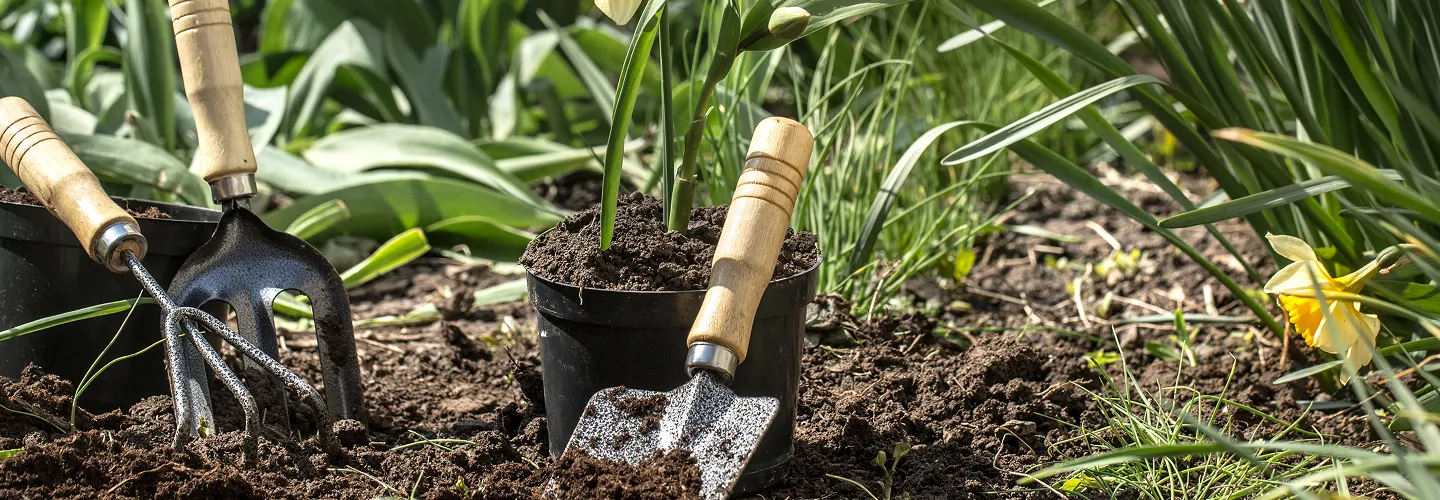
Taylor Flower Bed Maintenance Services
Choose our Flower Bed Maintenance for expert care, healthy blooms, and a beautiful landscape that enhances your home's curb appeal—so you can enjoy stunning gardens without the hassle.
Get a Free QuoteOur Taylor Landscaping & Yard Care Services
When to Schedule Flower Bed Maintenance in Taylor, Texas – Seasonal Guide
In Taylor, Texas, the timing of flower bed maintenance is crucial for vibrant, healthy landscapes. The region’s climate features hot, humid summers and mild winters, with the last frost typically occurring in early March and the first frost arriving in late November. This means the optimal windows for planting, mulching, and pruning are early spring and late fall, when soil temperatures are moderate and plants can establish roots before the extremes of summer or winter. Neighborhoods near Murphy Park and along Main Street often experience microclimates due to varying shade coverage and proximity to the San Gabriel River, which can influence soil moisture and maintenance needs.
Local environmental factors such as drought risk, heavy clay soils, and periodic humidity spikes require a tailored approach. For example, areas with dense tree canopies, like those near Heritage Square, may need more frequent debris removal and soil aeration. It’s also important to stay informed about municipal watering restrictions and seasonal guidelines, which can be found on the official city website. By considering these local characteristics, homeowners can ensure their flower beds thrive year-round.
Local Factors to Consider for Flower Bed Maintenance in Taylor
- Tree density and shade coverage (affects sunlight and moisture retention)
- Soil type (clay-heavy soils common in Taylor require specific amendments)
- Seasonal precipitation patterns and drought risk
- Proximity to landmarks like Murphy Park or the San Gabriel River (impacts microclimate)
- Municipal watering restrictions and local ordinances
- Terrain and drainage (sloped yards may need erosion control)
- Humidity levels and risk of fungal diseases
Benefits of Flower Bed Maintenance in Taylor
Enhanced Curb Appeal
Weed and Pest Prevention
Healthier Plant Growth
Seasonal Color Management
Professional Expertise
Time and Effort Savings
Taylor Flower Bed Maintenance Types

Seasonal Flower Planting
-
Weed Control and Removal
-
Mulching and Soil Conditioning
-
Edging and Border Maintenance
-
Pruning and Deadheading
-
Fertilization Programs
-
Pest and Disease Management
Our Flower Bed Maintenance Process
Site Evaluation
Weed Removal
Soil Preparation
Plant Care
Mulching
Why Choose Taylor Landscape Services
-
Taylor Homeowners Trust Us
-
Expert Lawn Maintenance
-
Reliable Scheduling
-
Competitive Pricing
-
Professional Team
-
Satisfaction Guarantee
-
Personalized Service
Taylor’s Blackland Prairie Soils: Implications for Flower Bed Maintenance
Taylor’s predominant soil series, including Houston Black clay and Burleson clay, are characteristic of the Blackland Prairie region. These soils are heavy, alkaline (pH 7.5-8.2), and exhibit poor drainage with a tendency for compaction, directly impacting flower bed health and plant selection. For optimal results, soil amendments such as 2-3 inches of compost tilled to a 6-inch depth are recommended, and lime application is generally unnecessary due to naturally high pH. Soil testing is available through the Texas A&M AgriLife Extension for a typical fee of $15-25. Raised beds or deep cultivation may be necessary to improve drainage and root development. Research local soil characteristics using the USDA Web Soil Survey to tailor maintenance strategies for each site.
Municipal Coordination for Flower Bed Debris and Green Waste in Taylor
Proper disposal of flower bed debris in Taylor is governed by municipal collection schedules and city ordinances. Yard waste, including plant trimmings and seasonal clean-up materials, is collected weekly on Thursdays from April through November. Residents must use biodegradable bags or 32-gallon reusable bins; plastic bags and branches over 4 inches in diameter are prohibited. Accepted materials include leaves, stems, and brush under 4 feet in length. Violations may result in code enforcement actions. For guidance on collection procedures and compliance, coordinate with the city’s Department of Public Works.
City of Taylor Public Works
400 Porter Street, Taylor, TX 76574
Phone: (512) 352-5818
Official Website: City of Taylor Public Works
Environmental Compliance: Stormwater and Buffer Zone Regulations for Taylor Flower Beds
Flower bed maintenance in Taylor must comply with local and state environmental regulations to protect waterways such as Mustang Creek and Bull Branch. The Texas Water Code and the city’s MS4 permit prohibit the disposal of soil, mulch, or plant debris into storm drains. Maintain a 25-foot no-disturbance buffer from wetlands and water bodies, and avoid fertilizer or pesticide application within 50 feet of these areas. The Texas Commission on Environmental Quality oversees stormwater compliance, while the Clean Water Act sets federal standards. For site-specific buffer requirements, consult Taylor’s Code Enforcement office.
Taylor Code Enforcement
400 Porter Street, Taylor, TX 76574
Phone: (512) 352-3675
Official Website: Taylor Code Enforcement
Selecting Native and Drought-Tolerant Species for Taylor’s Climate Zone 8b
Taylor is located in USDA Hardiness Zone 8b, with hot summers and mild winters. Flower beds should prioritize native and drought-tolerant species to ensure resilience and reduce irrigation needs. Recommended species include:
- Black-eyed Susan (Rudbeckia hirta)
- Purple coneflower (Echinacea purpurea)
- Autumn sage (Salvia greggii)
- Gulf Coast penstemon (Penstemon tenuis)
- Mexican feather grass (Nassella tenuissima)
- Winecup (Callirhoe involucrata)
Spacing should be 12-18 inches for perennials and 18-24 inches for ornamental grasses. For additional plant selection guidance, consult the Texas A&M AgriLife Extension and reference the USDA Plant Hardiness Zone Map.
Equipment Operation Hours and Safety Standards for Flower Bed Work in Taylor
Taylor enforces municipal noise ordinances for outdoor equipment operation. Permitted hours are:
- Monday-Friday: 7:00 AM - 7:00 PM
- Saturday: 8:00 AM - 6:00 PM
- Sunday and holidays: Prohibited
All operators must use commercial-grade equipment with functioning mufflers, and noise levels should not exceed 85 decibels at property lines. Personal protective equipment (PPE) is required, including:
- ANSI Z87.1 safety glasses
- Hearing protection for noise above 85 dB
- Steel-toed boots
- Cut-resistant gloves for pruning
For questions on safety protocols or noise compliance, contact the city’s Code Enforcement office.
Taylor Code Enforcement
400 Porter Street, Taylor, TX 76574
Phone: (512) 352-3675
Official Website: Taylor Code Enforcement
What Neighborhoods Do We Serve Throughout Taylor, TX?
- Northpark: Features newer developments with compacted fill soils and moderate drainage, requiring soil amendment and raised bed construction for optimal flower bed performance.
- Downtown Taylor: Historic district with mature trees, smaller lots, and older infrastructure; flower beds often face shade and root competition, necessitating shade-tolerant species and careful root zone management.
- Doak Addition: Characterized by larger lots and proximity to Mustang Creek, with periodic flooding risks and heavy clay soils; maintenance must account for drainage and buffer zone regulations.
- Mallard Park: Suburban area with HOA guidelines, uniform lot sizes, and moderate tree cover; compliance with HOA landscaping standards and city ordinances is essential.
- Southwood Hills: Located near Bull Branch Park, this area has variable soil conditions and increased wildlife activity, requiring deer-resistant plant selections and wildlife-safe maintenance practices.
- Lake Drive Area: Adjacent to water bodies and conservation lands, with strict buffer requirements and limited equipment access; flower bed work must prioritize erosion control and native plantings.
- Murphy Park Vicinity: Public park surroundings with high pedestrian traffic, necessitating enhanced safety protocols, visible signage, and coordination with city parks staff for maintenance scheduling.